
Gum Disease Treatment Cambridge
Boosting Your Health with Gum Disease Treatment

Our vision of dentistry is to educate our patients on how maintaining a healthy smile can extend to the rest of your body too. One of the top oral health problems in the world and the number one cause of tooth loss is gum disease. With gum disease treatment in Cambridge, we aim to preserve our patients’ smiles and reduce their risk of developing medical conditions connected to this disease, such as heart disease. To learn more about gum disease and our comprehensive approach to treatment, call our office today to schedule a consultation.
Why Choose Harbor Dental Center for Gum Disease Treatment?
- Thorough Assessment & Education Using Microscopic Evaluation
- Bacterial Testing to Determine Most Effective Treatment
- Compassionate & Judgement-Free Dentists & Team
- State-of-the-Art Treatments – Laster Disinfection & Debridement
The Stages of Gum Disease
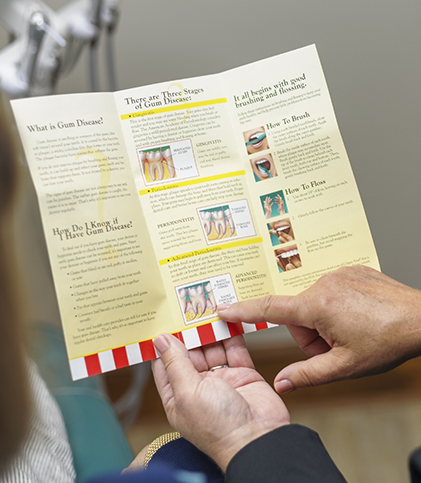
Gum disease is an infection that can progress when left untreated. The early stage of the disease is called gingivitis, which can be reversed with treatment. The late stage of the disease is called periodontitis, which can be treated to prevent it from spreading, but not reversed. With routine dental checkups, our team can typically spot and treat the early signs before it can lead to permanent damage to your smile.
In most cases, gingivitis can be treated by improving your at-home oral hygiene routine and bi-annual professional cleanings. However, as the disease progresses, more in-depth intervention may be necessary, such as deep cleanings and bacterial testing. At Harbor Dental Center, we don’t take risks when it comes to your smile and will recommend a comprehensive treatment plan that centers your health and wellbeing.
Common Symptoms of Gum Disease

Depending on the stage of gum disease, it can cause a variety of symptoms. If you’re experiencing any of these, please don’t wait to call our office to schedule an examination:
- Bleeding gums when you brush or floss your teeth
- Loose permanent teeth
- Small black triangles that develop between the teeth
- Persistent bad breath due to bacteria accumulation
- Gum recession that makes the teeth look longer
- Red (or purple), inflamed gums
- Discomfort while chewing
- Visible plaque or tartar build-up
Visual Education Using Our Microscope

Our oral-systemic approach starts with taking our own bacteria samples from your mouth and putting them on a microscope slide. This isn’t to scare you though! We find that having a visual reference helps our patients see the difference treatment makes over time and helps our dentists assess risk.
Bacterial Testing
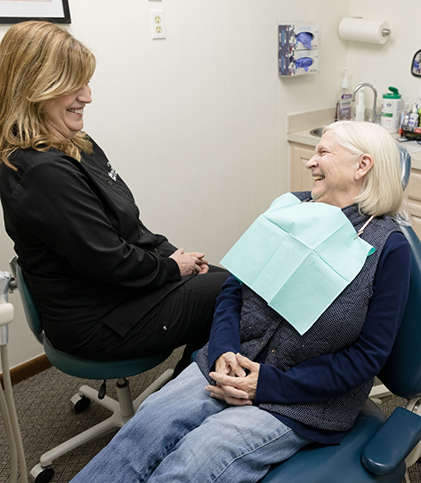
By taking a small sample from the pockets of your gums to determine the type of bacteria that are causing your infection, we can tailor your treatment plan to be as effective as possible. When gum disease is resistant to traditional therapies, targeted antibacterial treatments can often be the missing link. We take the time to do this additional testing to develop a treatment that works for you while minimizing the chance of antibacterial resistance.
Scaling & Root Planing
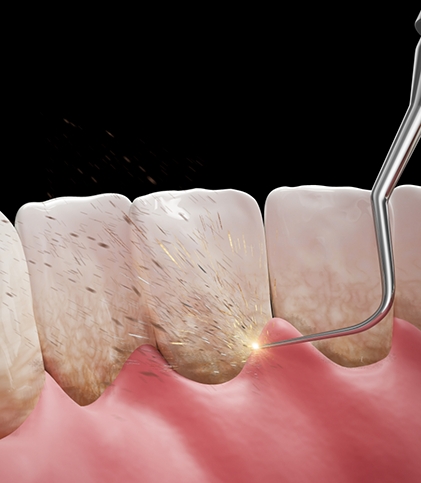
Scaling and root planing, better known as deep cleanings, is a two-step process that minimizes the prevalence of bacteria in your mouth and reduces symptoms of gum disease. First, one of our gentle, skilled hygienists will remove all plaque and tartar from the surface of your teeth, as far down as the pockets of the gums. Then, they will remove hardened deposits of bacteria on the roots of the teeth. This will help the gums attach to the teeth to protect the roots and underlying structure, preventing tooth loss and worsening effects of the infection.
Routine Periodontal Maintenance
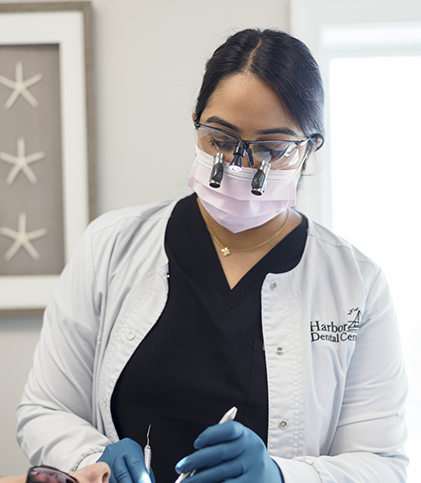
Once you have received gum disease treatment, your dentist and dental hygienist will have you come in for regular periodontal maintenance visits, or periodontal cleanings. Usually, we advise our patients with gum disease to visit us four times a year. During these visits, we will take X-rays, measure the depth of the gum pockets, remove plaque and tartar, complete an examination and oral cancer screening, and provide you with oral hygiene recommendations. This will help prevent the spread of the disease as well as further tooth loss.