
TMJ Treatment Cambridge
Soothe Your Jaw Pain with Tailored TMJ Treatment
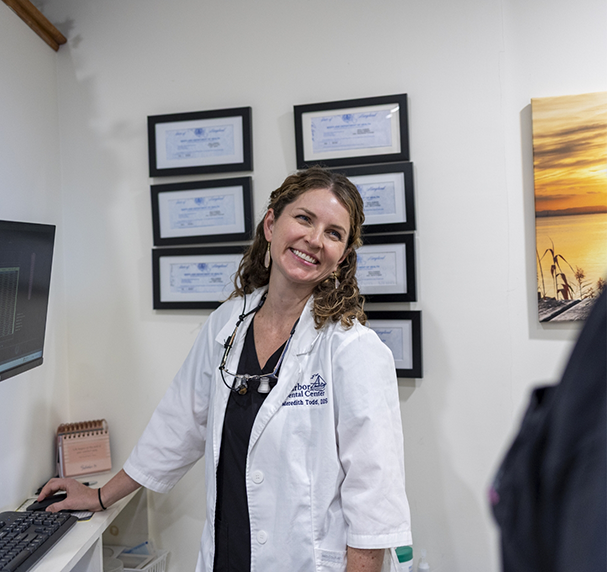
Many patients have TMJ disorder (TMJD) and aren’t even aware of it! Jaw pain and fatigue, nightly grinding—these are just a few of the life-affecting symptoms of this condition that can make basic daily tasks like eating difficult. At Harbor Dental Center, we offer several highly effective, custom-tailored TMJ treatment options to improve jaw function and mobility and improve your quality of life. To learn more about our TMJ treatments, please call our office in Cambridge to schedule a consultation with Dr. Todd or Dr. Bhatt.
Why Choose Harbor Dental Center for TMJ Treatment?
- BOTOX Injections to Relax Overactive Muscles & Ease Tension
- Even Out Bite Force & Avoid Further Damage to Your Smile with Nightguards
- Restorative Rehabilitation for Bite Comfort & Stabilization
- High-Quality Dentistry with a Welcoming Hometown Feel
Signs & Symptoms of TMJ Dysfunction
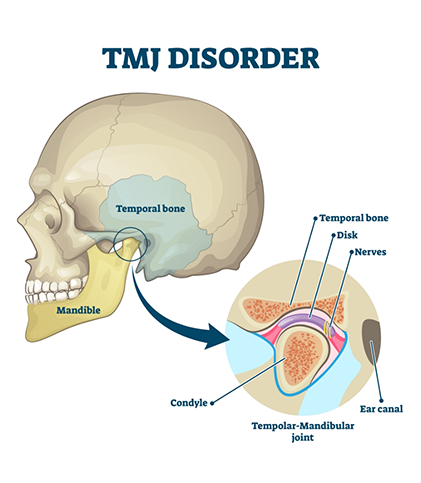
TMJ disorder is a condition that impacts the two jaw joints that hinge either side of your jaw to your skull, called the temporomandibular joints. When these joints or the muscles around them become overworked or strained, it can affect its overall function and cause a variety of symptoms and other consequences, including:
- Muscle fatigue while chewing
- Difficulty holding your mouth open during dental cleanings
- Pain in the neck and shoulders
- Pain behind the eyes
- Lockjaw
- Ringing in the ears
- Bruxism (teeth grinding)
- Chronic headaches as a result of bruxism
- General jaw pain and discomfort
When left unchecked, it’s possible for your TMJD symptoms to become worse and even lead to other concerns, such as broken teeth. Our top priority is to help get to the root cause of your condition and treat your symptoms without the need for surgery.
What Does Treating TMJ Disorder Involve?
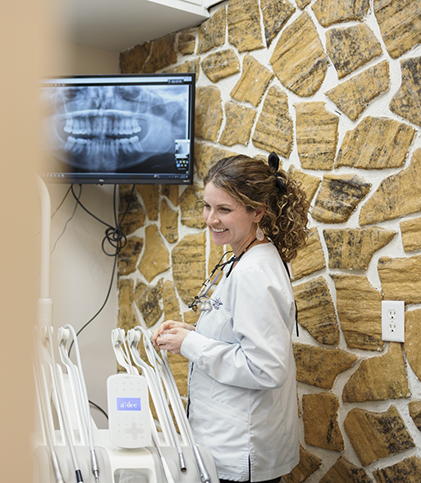
The first step towards receiving treatment for your condition is to schedule an examination with one of our skilled dentists at Harbor Dental Center. After taking diagnostic images, inspecting your bite, and examining your jaw, we can diagnose your issue and develop a treatment plan to help you feel better! This can include one or more of any of our TMJ treatment offerings, which include occlusal splints, BOTOX injections, or dental realignment.
BOTOX® Injections for TMJ Pain Relief
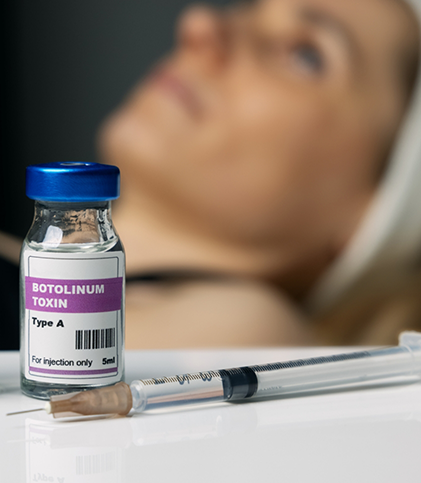
The temporomandibular joints on either side of your face are surrounded by a complex system of muscles and nerves, which can make it a tricky area to treat. Because your overworked joints are strained and not functioning as efficiently as they could, it’s likely that the surrounding muscles are having to do more work, causing those to be stressed as well. As a result, you could experience tension headaches, ringing in the ear, and other symptoms.
Our team can inject BOTOX into these muscles to help them relax. This will release the build-up of tension and help dramatically lessen pain associated with your TMJD, allowing you to eat and speak with greater ease, and in some cases even reducing the prevalence of chronic headaches. While this treatment doesn’t provide permanent relief, it can be exactly what many patients need to get through their daily lives comfortably.
Occlusal Splints (“Biteguards”)
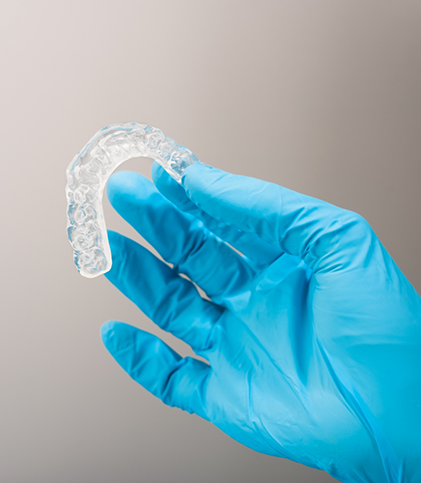
Many patients with TMJD also suffer from bruxism, or the nightly grinding and clenching of teeth. The force of grinding while you sleep can not only put you at-risk of cracking or chipping teeth, but also lead to the build-up of tension in your jaw joints and muscles, leading to worsening TMJD symptoms. Our custom occlusal splints are made to be worn while asleep, acting to shift your jaw into its ideal position to relieve strain, prevent your teeth from coming into contact with each other, and provide long-term relief.
Dental Realignment & Restoration
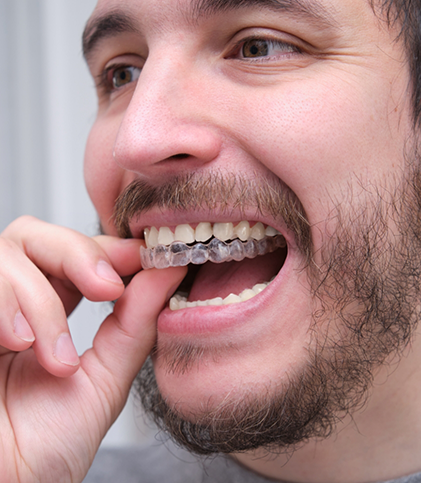
If the cause of your TMJD is due to a problem with your bite, our team will use high-resolution diagnostic imaging and a thorough exam process to determine what is causing your bite misalignment. In some cases, it could be due to an improperly fitted restoration. In others, it could be due to orthodontic issues like overbite, underbite, or cross bite. Depending on the root cause of your malocclusion, we may recommend either restorative dental care or orthodontics to balance your bite and reduce strain on your jaw joints.